Malta Gaming Authority: What Its License Generally Covers
The MGA license is the gold standard. It covers sports betting, poker, slots, live dealers, and the whole ecosystem. Here's what you get and what you don't.
The Malta Gaming Authority opened the door in 2001. Before that, online gambling lived in a gray zone. Now? The MGA owns the table. It's the license that operators spend millions to acquire and governments worldwide watch with clinical interest.
What the MGA License Actually Covers
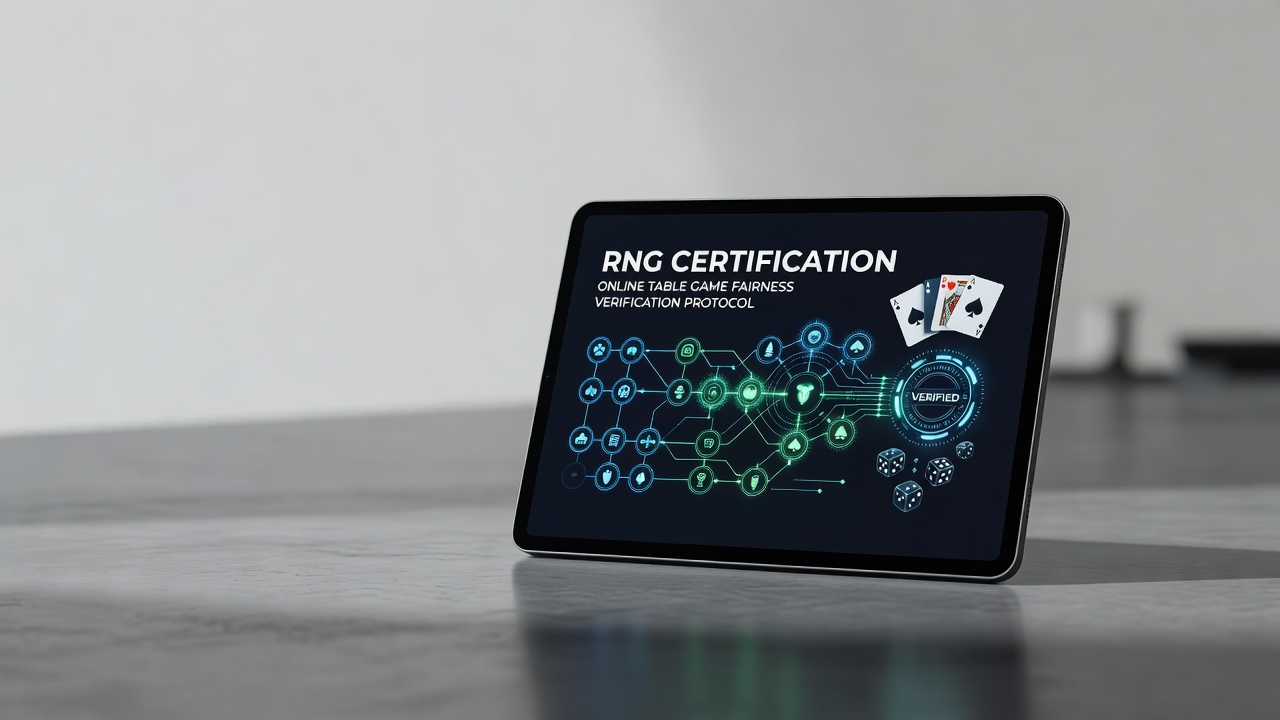
The classic MGA Class 2 license is the heavy hitter. It permits online slots, table games, poker, live dealers, sports betting. If the operator holds it, the games are vetted. The software is tested. RNG certification is current. The financial reserves meet the standard: two percent of gross gaming revenue, held in a separate account, untouchable except in specific circumstances.
The licensing process takes months. The operator submits the full portfolio: ownership structure, criminal histories (clean slate required), financial statements for the last three years, IT security protocols, AML procedures, responsible gambling frameworks. Malta's regulator does not rubber-stamp. They verify. They test. They move slowly because the consequences of getting it wrong land on their desk.
A Class 2 license holder can operate in the EEA. That is the point. Players from Spain, France, Germany, Austria see the MGA badge and feel safer. It is not iron-clad (nothing is), but it signals that the operator has submitted to scrutiny and passed.
What Gets Excluded
Here is what the MGA does not cover: affiliate marketing. If you run an affiliate site promoting MGA-licensed casinos, you operate under different rules entirely. The MGA does not license you. The operator does, but that is a private contract, not regulatory authorization. That distinction matters when disputes arise.
Live dealers operate under the license. But the dealer software itself comes from companies like Evolution, Pragmatic Play, NetEnt. Those companies hold separate supplier licenses. The operator's MGA license says they can offer live products; the software provider's license says the software is fit for that. Both stamps matter.
Poker is interesting. A Class 2 license covers poker. But the operator must prove they have segregated player funds, which is standard. The MGA requires quarterly reporting on player account holdings. That money belongs to the players, not the house. It cannot be used as working capital. That rule has stopped operators from imploding when they lose operational funding.
Renewal and Compliance
Licenses renew every five years. Before renewal, the MGA conducts a full audit. Financial statements, AML logs, complaint records, technical updates. If you have failed to patch a known vulnerability or ignored a player complaint, the MGA finds it. Operators that try to game the system get fined. Serious violations result in suspension or revocation.
The MGA publishes enforcement actions. You can search the public register and see which licenses are active, suspended, or dead. That transparency is one reason the badge carries weight. Operators know they cannot hide bad behavior; regulators can see it. The perverse incentive reverses: the operator wants to stay clean.
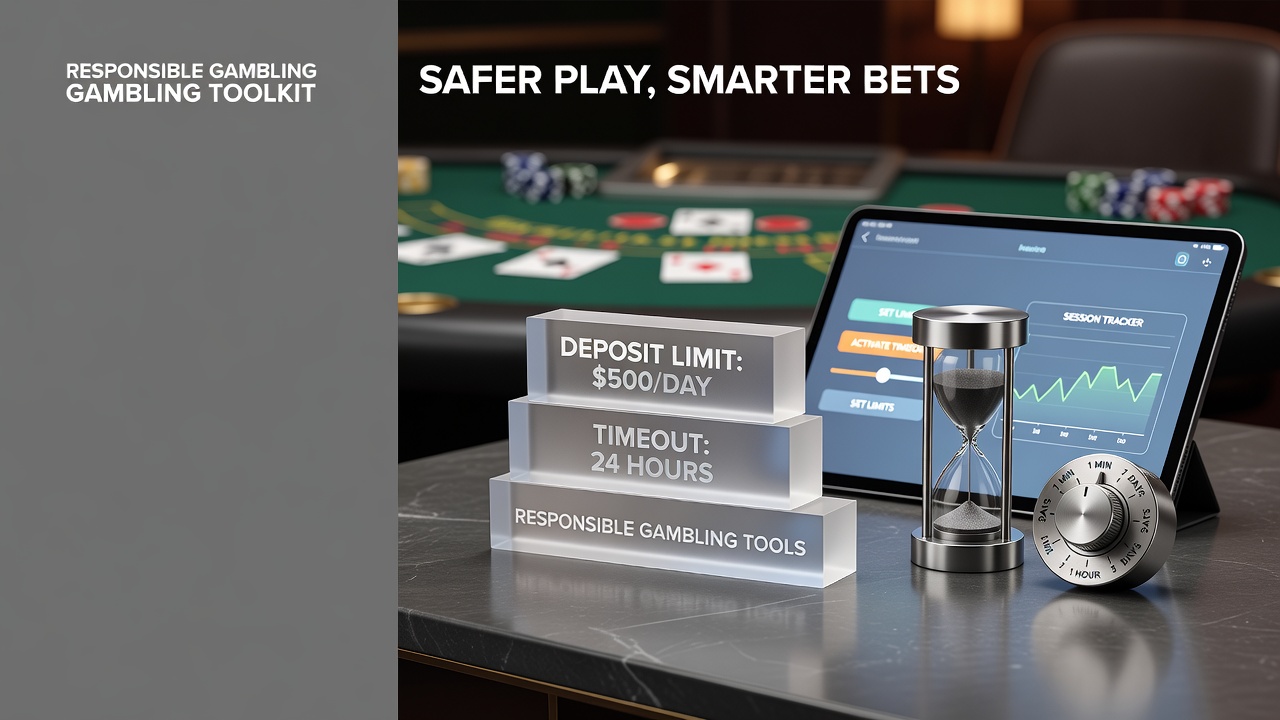
Malta also requires responsible gambling features. Self-exclusion, deposit limits, reality checks on session length. The operator implements these; the MGA audits them. A player who claims they asked for self-exclusion and the system never applied it has grounds to file a complaint. The MGA investigates. If the operator was negligent, the fine is substantial.
The Gray Zone Around the Edges
One nuance: The MGA licenses the operator. It does not license individual products. An operator with an MGA license can run Pragmatic Play slots, Evolution live tables, and Playtech poker rooms. The MGA does not vet each product in the moment they go live; they audit the operator's vetting process. The operator is responsible for ensuring all game software meets certification standards. The MGA spot-checks.
That creates a gap. An operator could theoretically push uncertified software live and face consequences only if caught. In practice, that almost never happens because the reputational cost is immediate and the fine is worse. Operators guard their license like their life depends on it. Because in a sense, it does.