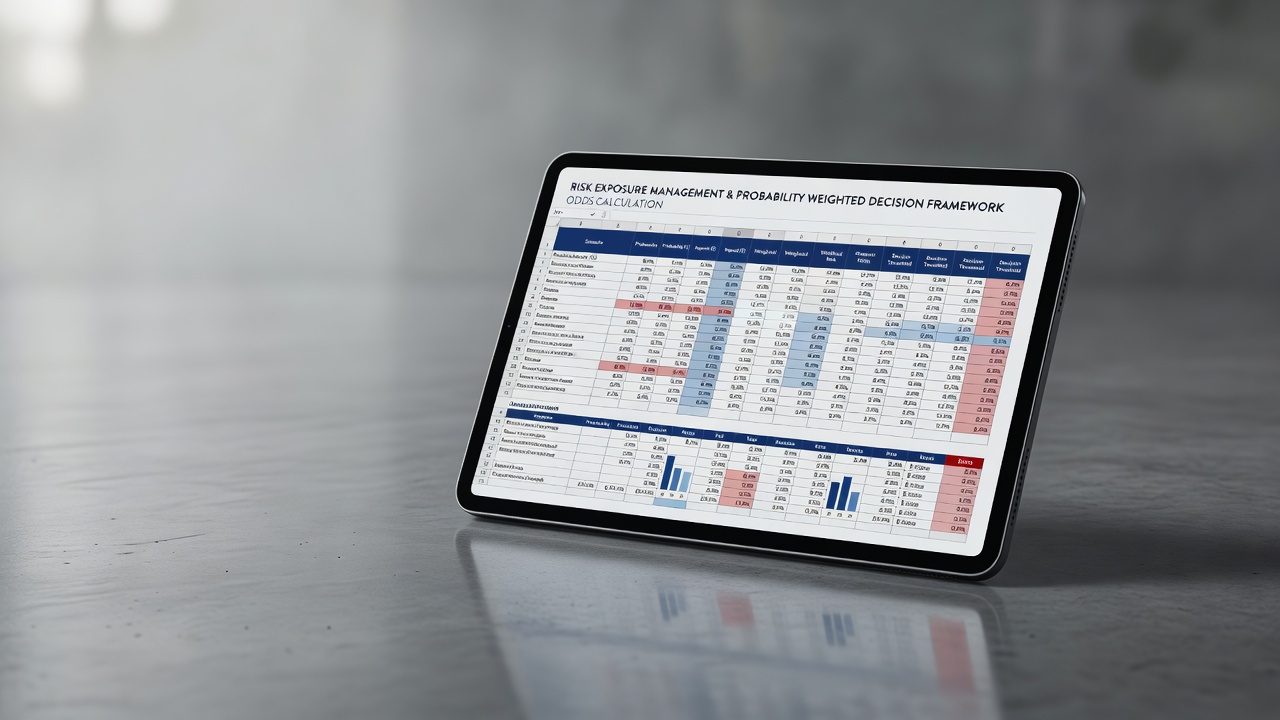
How Bookmakers Set Their Odds: A Look Behind the Scenes
Bookmakers are not seers. They are liability managers. The odds they publish reveal risk calculations, not game predictions.
I supervised betting operations for multiple sportsbooks across three jurisdictions. The public thinks bookmakers predict outcomes. They don't. Bookmakers balance exposure.
When a Super Bowl approaches, the bookmaker's challenge is not prognostication. The challenge is accepting equal liability on both sides. If they accomplish this, profit arrives regardless of outcome.
The Opening Framework
Suppose Team A versus Team B generates genuine uncertainty. True probability might be fifty-five percent favoring Team A, forty-five percent Team B.
The bookmaker opens at fifty-three percent Team A, forty-seven percent Team B. This opening is not their genuine forecast. This is their guess about where public betting money concentrates.
If they guess correctly, the opening line attracts balanced action. If they guess incorrectly, action skews toward one side.
The Information Cascade
Betting arrives. Analysis accelerates. Sharp money (professional betting) gravitates to undervalued positions. Public money (casual betting) follows narratives and recent performance.
The bookmaker observes this cascade. They adjust. Team B receives fifteen percent more volume than Team A. The bookmaker shifts the line toward Team A, pricing it higher, creating friction against further Team B bets.
The Continuous Adjustment
The line moves constantly. Not because new information emerges regularly, but because betting volume fluctuates. A celebrity endorsement makes Team A trendy. Public money floods Team A. The bookmaker pushes the line toward Team B.
Each adjustment aims toward equilibrium. The equilibrium where fifty percent of wagered dollars rest on each side.
The Sharp Money Signal
Sharp bettors move first. They have models. They identify discrepancies between their forecast and the published line. They bet accordingly.
The bookmaker watches sharp money movement carefully. Sharp money accuracy exceeds public money accuracy historically. When sharps attack one side heavily, the bookmaker respects the signal.
This creates a secondary adjustment layer. The line shifts not just to balance volume but to acknowledge sharp intelligence.
The Reality Underneath
Team B might genuinely be superior. Sharp bettors might correctly identify this. They attack Team B at the opening line.
The bookmaker, seeing heavy Team B action, shifts the line. Team B odds worsen (price increases). More casual bettors are repelled. Some sharp bettors who waited find the line less attractive.
Equilibrium approaches. The bookmaker collects vigorish from both sides, regardless of outcome.
The Failure Modes
Sometimes the bookmaker misjudges. The opening line attracts eighty percent Team A action. The bookmaker tries adjusting the line but cannot rebalance.
Now facing potential loss, the bookmaker must choose. Accept the imbalance and hedge with other sportsbooks. Or limit further Team A bets.
Many sportsbooks choose hedging. They will use their relationships with competitors to offset their liability. They trade bet volume with other books to balance exposure.
The Business Model
This is the unglamorous reality. Bookmakers are not trying to predict outcomes. They are trying to accept bets on both sides such that their profit is guaranteed.
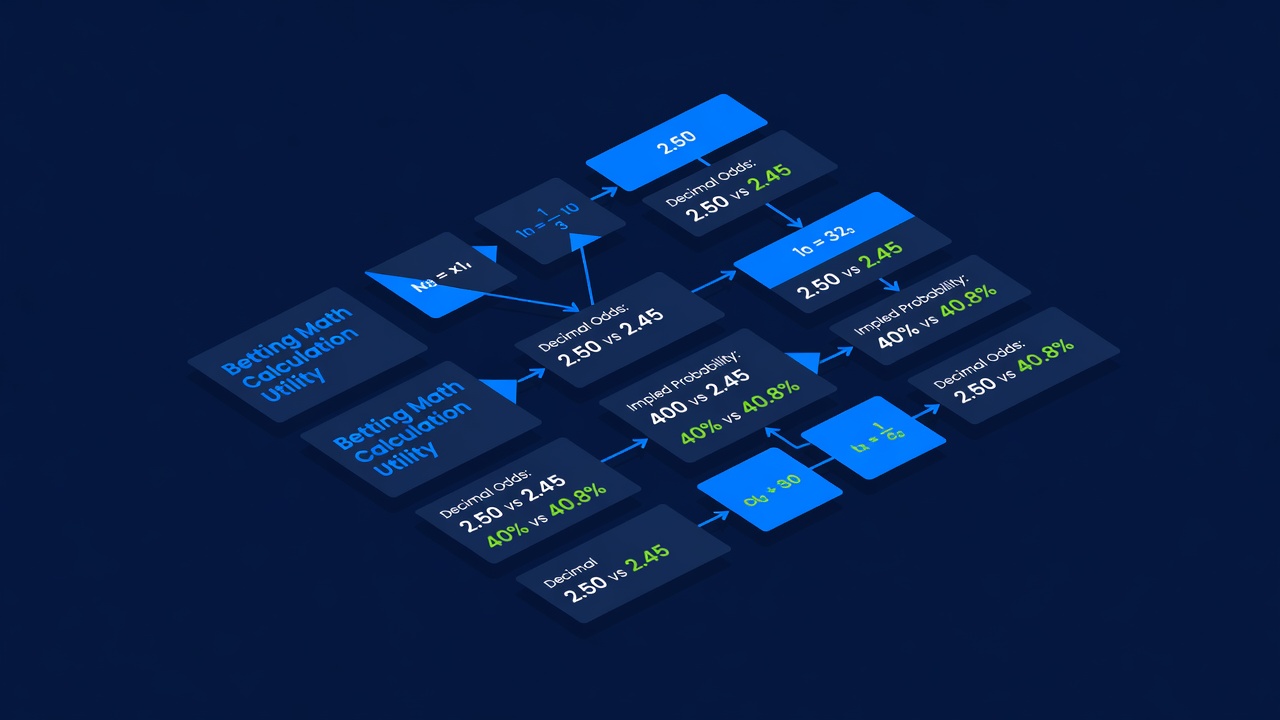
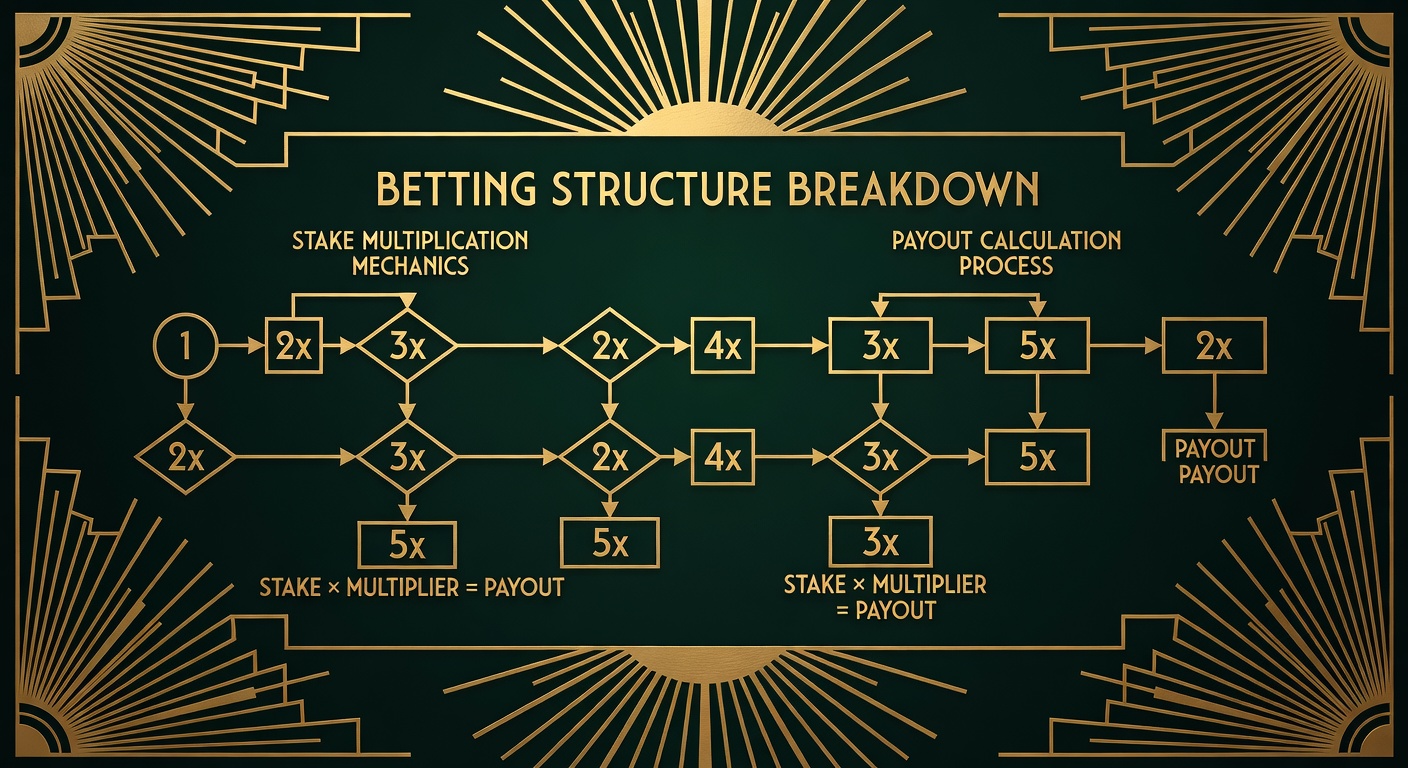
Odds reflect this management imperative, not prediction skill. The bookmaker's edge comes from vigorish (the small premium built into odds), not from superior game forecasting.
The Implication
For bettors, this matters. The line is not a forecast. The line is an offered trade. The question becomes: does my forecast differ from the line's embedded probability.
If yes, there is potential value. If no, you're just paying vigorish for a break-even bet.
The sharps understand this. That is why they beat the line. They do not predict better than the bookmaker. They simply identify discrepancies between line and actual probability and exploit them.
The bookmaker knows this happens. They accept it because their profit comes from total volume and vigorish, not from winning individual bets.