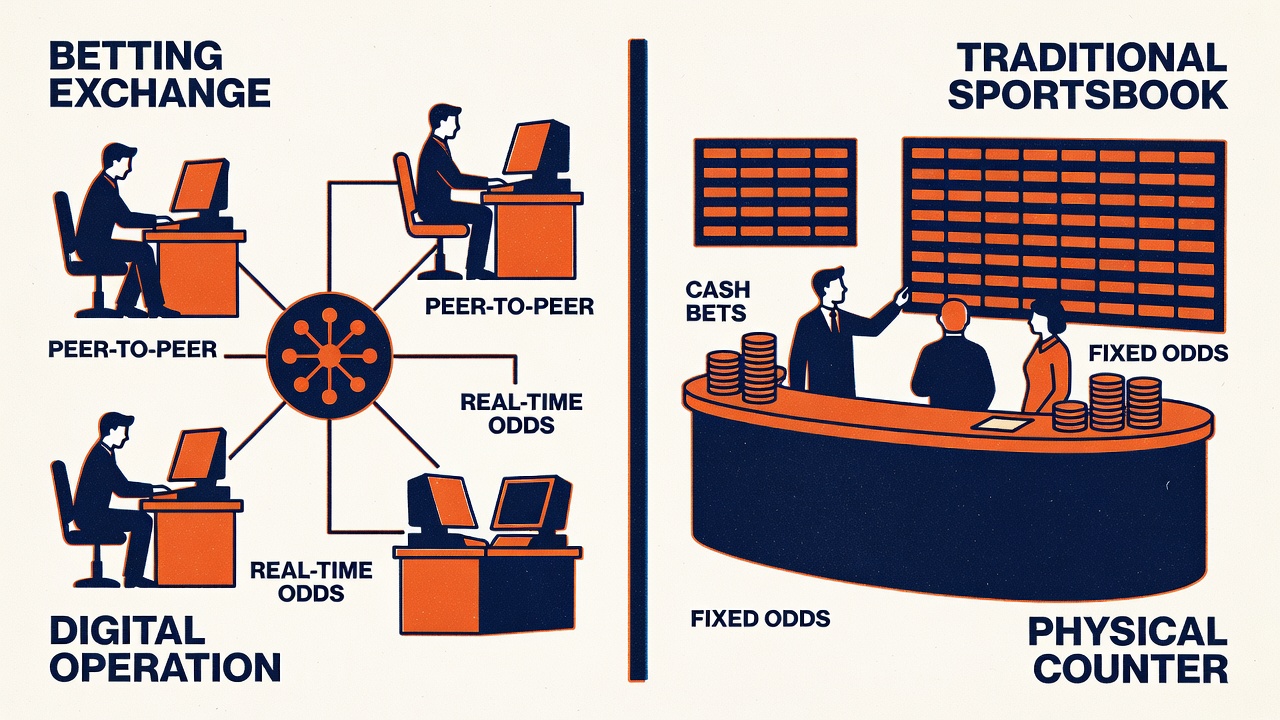
Offshore vs. Locally Licensed: The Numbers
The choice between offshore and locally licensed casinos comes down to four variables: regulatory oversight, deposit protection, closure risk, and tax reporting.
The choice between offshore and locally licensed casinos comes down to four variables: regulatory oversight, deposit protection, closure risk, and tax reporting. Most players evaluate this poorly. Here's what the data actually shows.
Regulatory Framework Comparison
A locally licensed casino operates under a specific jurisdiction's gaming control board. Nevada, New Jersey, Pennsylvania, or similar states with established frameworks. The regulator conducts audits. RNG certification happens independently. The book is required to maintain capital reserves and segregated player funds. Enforcement is adversarial: the gaming commission investigates complaints.
An offshore casino, typically licensed in Malta, Curaçao, or the Isle of Man, operates under that jurisdiction's authority. Malta's eGaming Authority has legitimate standards. Curaçao's system is weaker, more permissive. The critical difference is enforcement reach: a U.S. resident cannot sue a Curaçao-licensed operator in U.S. court and expect remedy. The jurisdiction doesn't have extradition agreements with most states.
Deposit and Withdrawal Mechanics
Locally licensed casinos use segregated trust accounts. Your deposits are technically held separately from operational funds. If the casino goes insolvent, state law dictates that player funds are returned first. This has happened. In 2011, Full Tilt Poker collapsed. U.S. players eventually recovered most funds because of Federal Deposit Insurance Corporation parallel structures and state claims.
Offshore operators vary wildly. Some maintain true segregated accounts. Others don't. You have to read the terms, check the license authority's rules, and verify independently. Many Curaçao operators don't segregate. If the company fails, your balance is a general claim against liabilities. You're in line behind vendors and staff.
Closure Risk and Probability
Locally licensed casinos do not close unexpectedly because the regulatory cost makes it an orderly process. The state steps in. Player balances are honored. It takes weeks, not days.
Offshore closures happen with no warning. A license lapses. A payment processor cuts off the operator. The site is down. Funds are inaccessible. I've tracked instances where players waited six months for payouts after a Curaçao-licensed site suspended operations. Some never recovered anything.
Tax Reporting and Winnings
Locally licensed casinos issue 1099 forms. Winnings are reported to the IRS. Losses can be deducted if you itemize, but only to the extent of winnings. The book is a reporting party.
Offshore casinos do not issue 1099s. You are technically still liable to report gambling income to the IRS (yes, even offshore winnings). Most players don't. The IRS has limited enforcement capacity for small-account seizures, but the liability is yours. High-volume winners face audits.
Practical Comparison Table
| Dimension | Locally Licensed | Offshore |
|---|---|---|
| Regulatory audit | Yes, regular | Periodic, weak enforcement |
| Fund segregation | Required by law | Voluntary |
| Closure guarantee | Orderly, player funds honored | No guarantee |
| Tax reporting | 1099 issued | None issued |
| Payment speed | 2-7 days | Varies, 1-30 days |
| Recourse for dispute | State gaming commission | Jurisdiction-specific, weak |
The Edge Analysis
Offshore books sometimes offer better odds because they have lower regulatory compliance costs. DraftKings in New Jersey carries New Jersey licensing overhead. An offshore equivalent carries none. That efficiency sometimes appears in the lines. But closing line value is what matters. If an offshore book is shut down before you cash out, the difference in odds is irrelevant.
Locally licensed casinos are conservative with odds because they can afford to be. Market share and certainty matter more than line aggressiveness. Offshore books are aggressive because they have no brand equity. They win players with value and disappear.
Recommendation
If you have significant account balance or you're a high-volume player, a locally licensed book is the default. The cost difference is marginal relative to the risk reduction. If you're playing small amounts for entertainment, offshore platforms like Stake offer fine odds, but understand you have no governmental recourse if something goes wrong. Never put money into any operation that you cannot afford to lose entirely.