Bill Kaplan and the True Origins of the MIT Blackjack Team
The MIT Blackjack Team was real. They beat casinos methodically. Bill Kaplan was not the flashy figure from the film. He was the system architect. That was more valuable.
I never met Bill Kaplan, but I knew people who worked the same games he worked. The MIT team was real. They were not Hollywood. They were mathematicians who turned their skill into systematic profit.
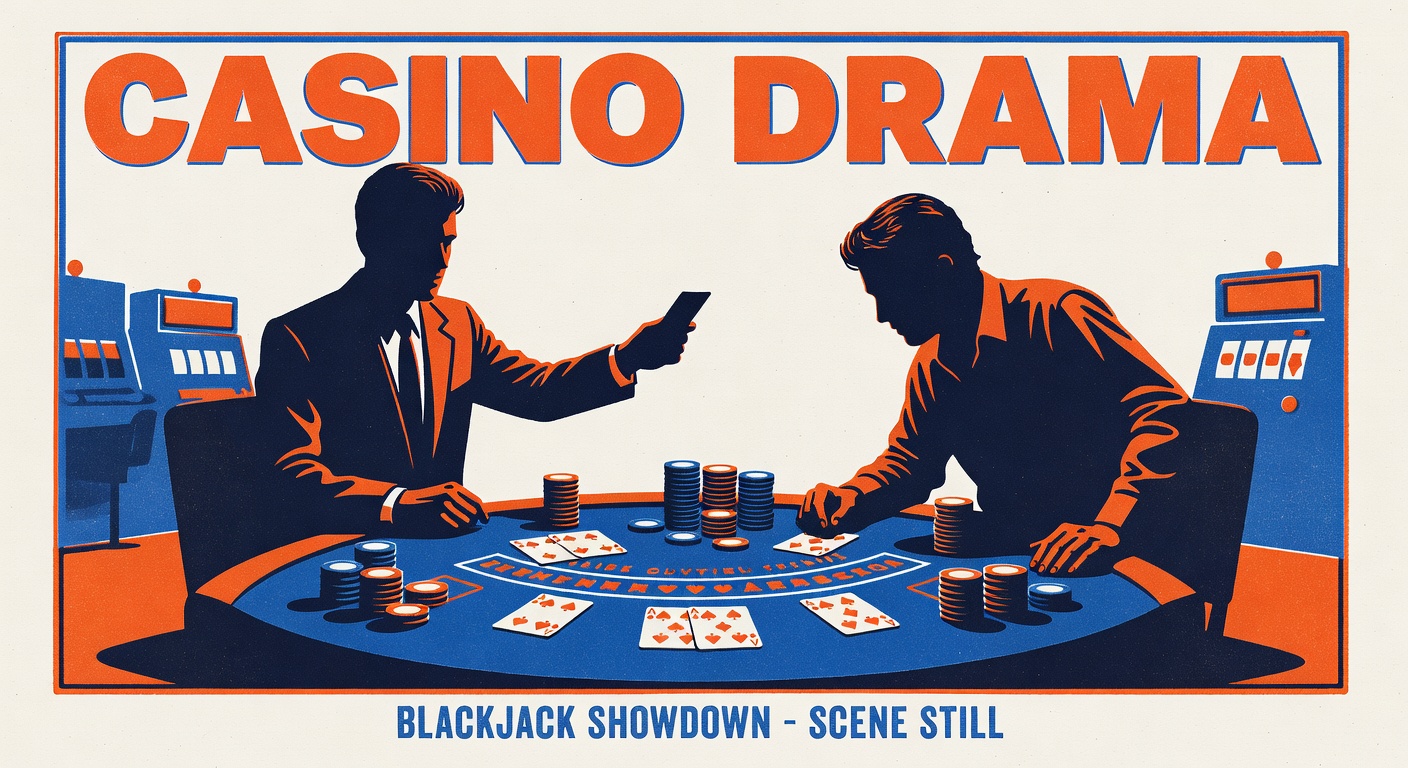
The film "21" glamorized the MIT team and changed some facts for drama. The real story is slower and more precise. Kaplan built a machine. A system for counting cards, adjusting bets, managing bankroll, and extracting money from casinos at a rate above the statistical noise.
The Setup
In the 1980s, blackjack was beatable by card counting. The method was known. Ken Uston and Lawrence Revere had published books about it. But most counters were working alone or in small teams. They were getting backed off by casino surveillance. They were running out of money.
Kaplan and his group understood that beating blackjack required not just skill but also capital, team coordination, and systematic play. One person at one table can make statistical noise. A team of ten people at ten tables in ten casinos is a signal that casinos cannot ignore.
They coordinated their play. They used a sophisticated betting system. The big player would sit down at a table where the small player (the counter) had gathered information about the deck. The big player would place large bets when the count was favorable. They would leave when the count turned negative.
The Advantage
With perfect basic strategy and accurate counting, blackjack has a house edge of negative 0.5 percent if the count is favorable. That means the player has an edge. A one-percent edge on one hundred thousand dollars in action is one thousand dollars profit.
The MIT team was playing with larger bankrolls and larger bets. They were generating ten thousand dollars per trip or more. Repeated over many trips, the aggregate profit was substantial. They made an estimated four million dollars over several years.
The Sophistication
What distinguished the MIT team from other counter groups was their use of statistics and optimization. They did not just count cards. They modeled the variance in blackjack. They knew their advantage and their risk. They sized their bets accordingly.
They also managed their team like a business. There was a manager, a bankroll, timekeeping, performance reviews. It was not a get-rich-quick scheme. It was a system for extracting a known advantage from an imperfect game.
The Downfall
By the 1990s, casinos had adapted. They used continuous shufflers. They used better surveillance. They profiled teams. The MIT group either got detected or decided the risk was no longer worth the reward.
Kaplan moved on to hedge funds and other ventures. The team disbanded. The advantage had been played out.
The Lesson
The MIT Blackjack Team proved that card counting was viable but not invulnerable. They also proved that systematic thinking and teamwork could generate profits from gambling.
Their success was not based on luck or psychology. It was based on mathematics, discipline, and capital management. Those principles apply to any advantage play.
Kaplan was the architect of this system. He was not the flashy big player winning dramatic hands. He was the person who understood that beating casinos required more than skill. It required organization. That is why he was the one who actually won.