Lady Luck and the Depiction of Gambling in Classic Hollywood
Hollywood in the 1940s and 1950s sold a story about gambling. Casanova figures, exotic locations, glamorous stakes. The story had almost nothing to do with reality. But it shaped how people think about casinos still.
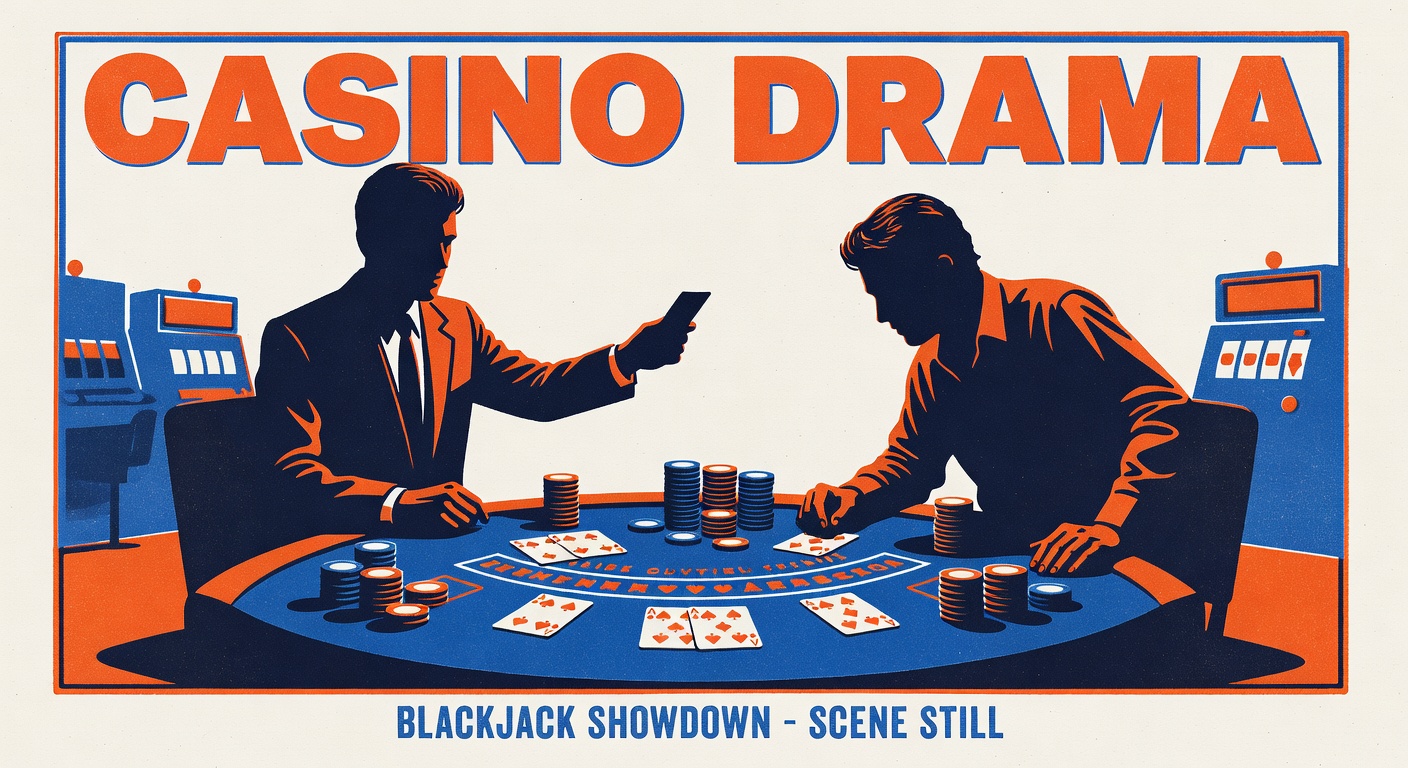
I remember the movies on the boardwalk. The screen would show a man in a tuxedo ordering a martini and then walking to a roulette table. The croupier spins the wheel. The man bets everything on red. The wheel stops. Red. He wins. He walks away with twice what he came with. He does not play again. He leaves. He has won cleanly.
That is not how casinos work, but that is what they showed us.
Hollywood in the 1940s and 1950s created a mythology about gambling that persists today. The mythology says that casinos are places where luck matters, where glamour lives, where a smart player can win big and leave. The reality is slower and sadder and more mathematical.
The Hollywood Narrative
In classic Hollywood films, gambling is never a grind. It is a climactic moment. The hero sits down. There is tension. The outcome matters. Then the hero either wins gloriously or loses and learns a lesson. The story ends.
In reality, gambling is repetitive. You sit down. You make many small decisions. Most of them do not matter. You lose a little, win a little, lose more, and eventually you check the time and realize you have been there for five hours and your bankroll is smaller.
There is no climactic moment. There is no final hand that determines everything. There is just time and the mathematical grind of the house edge.
Hollywood could not make a film about that. A four-hour movie of a man slowly losing money while barely moving from his seat would not sell. So they invented a faster version. A higher-stakes version. A version where gambling matters.
The Glamour Factor
Hollywood also sold the glamour. The women in evening gowns. The men in tailored tuxedos. The casinos as temples of sophistication where only the best people gambled. Casablanca was the template. Casinos as places of intrigue, romance, and consequence.
This mythology affected how casinos were built. The first post-war casinos on the Las Vegas Strip were designed to evoke that Hollywood image. Elegant rooms. Expensive carpets. The sense that you were entering an exclusive club.
But the economics of casinos required the opposite. You need volume. Hundreds of players losing small amounts beats one wealthy man losing big. So the glamorous temple became a factory. The tuxedos became t-shirts. The exclusivity became openness.
Atlantic City in its peak years still held some of that mythology. Resorts Casino felt like a place where something important might happen. By the time online casinos arrived, the mythology had been fully replaced by mathematics.
What It Cost
The Hollywood mythology cost people money because it created false expectations. A player would sit down at a blackjack table thinking they were in a film. Thinking they had one lucky night ahead. Thinking that if they just played well, they would win and leave.
They would stay longer than they planned. They would lose more than they expected. They would convince themselves that the next session would be the film's climactic moment. It never was.
The mythology made it harder to see gambling for what it was: a mathematical system designed for the house to profit. The player was not a dashing figure in a tuxedo. The player was a source of mathematical advantage.
What Changed
Online gambling shattered the mythology because online casinos had to be honest about the mathematics. There was no glamour to hide behind. There was no sense of place. There was just numbers and probabilities and house edges.
The best online casinos are not trying to be Casablanca. They are trying to be transparent. They show you the RTP (return to player). They show you the volatility. They make no promises about luck.
This honesty is better than the mythology, but it has a cost. Gambling becomes less fun when you are staring at the mathematics. The mythology made it more fun. The glamour made the losses feel like they were part of a larger story.
The Nostalgia
I remember Atlantic City before it faded. The boardwalk had that mythology lingering. People would come dressed up. People would sit at tables and believe they were part of something grand.
It was not true, but it felt true. And for a few hours, the belief mattered.
Now the boardwalk is quieter. The mythology has moved online, but it has lost power there. You cannot create glamour through a screen. You can only create convenience.
The players who grew up on Hollywood stories about casinos are aging out. The new generation of players has never known the mythology. They know the math. They know the house edge. They know they will lose. They play anyway, but they know.
Something was lost when the glamour died. But something was gained too. Honesty. Transparency. The knowledge that you are not playing a game to win. You are playing a game to play. That is more true, even if it is less romantic.