Overbetting in Poker: A Strategy Most Players Fear
Overbetting the pot in poker is a strategy tool. Regulators do not oversee poker strategy, but understanding when and why overbets are made is instructive for licensed operators.
The term overbetting refers to a poker player placing a wager that exceeds the size of the pot. A player bets more than the total amount of money currently at stake. This is technically legal in any cardroom that permits it, and most do.
From a regulatory perspective, overbetting raises no compliance issues. It is simply a larger wager. The operator records it, the house takes its rake or tournament fee, and play proceeds. What interests a regulator is not the size of bets, but the integrity of the game itself. Are cards dealt fairly. Are pots reconciled accurately. Are players subject to equal rules.
However, understanding why players overbet helps a regulator understand the clientele and the game dynamics.
the mathematical framework
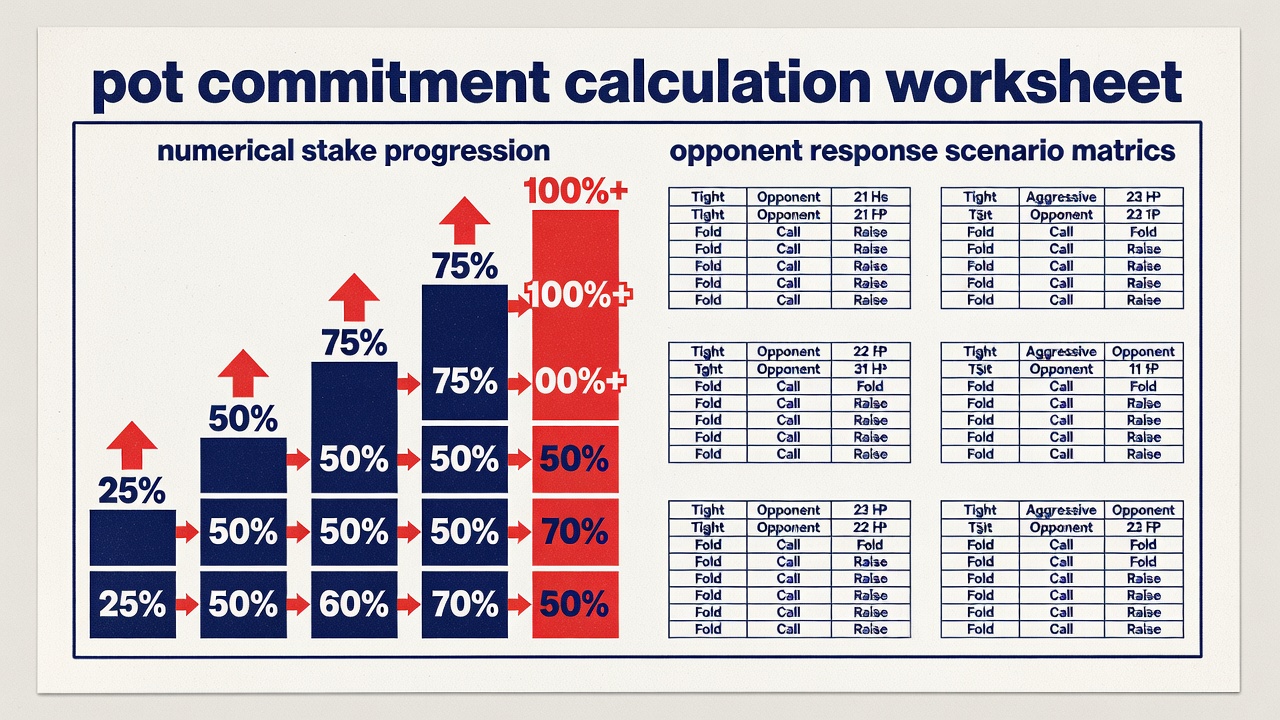
A player uses an overbet when they wish to charge their opponent more for the decision they face. In standard poker, if the pot is one hundred dollars and a player bets one hundred, they are betting one pot-sized bet. The opponent is getting two-to-one odds to call.
If the player bets three hundred (an overbet), they are charging the opponent more. The opponent now gets one-point-three-to-one odds. This means that hands with lower equity (worse hands) can no longer call profitably.
An overbet is a sizing choice that eliminates part of an opponent's calling range. It is a tool for those who can afford it.
when and why overbets are used
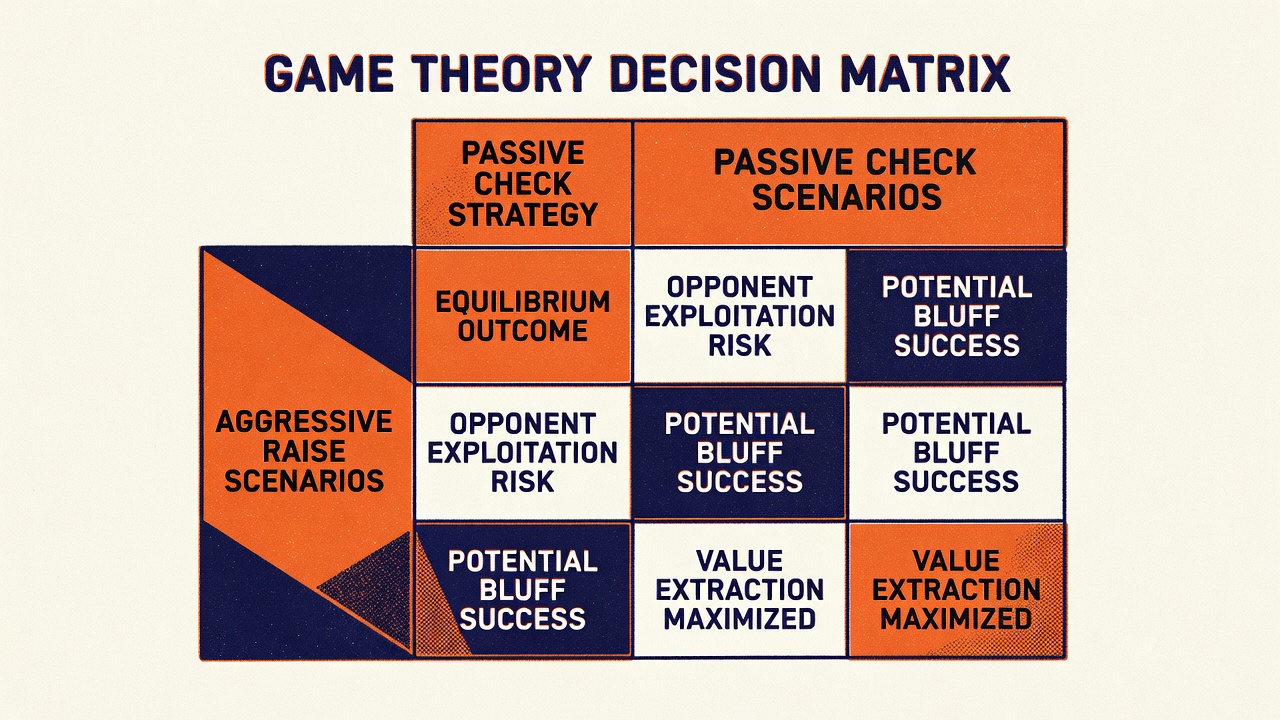
Skilled players overbet in specific situations. When they have a very strong hand and want to extract value from weaker hands that might fold to a normal bet but call an overbet (because the overbet signals strength). When they have nothing and want to represent strength so powerfully that their opponent folds even though they have a moderate hand.
When a player overbets, they are communicating something. A small bet says "I want your call." A pot-sized bet says "I am confident." An overbet says "I am either terrified of your hand or completely unafraid of your hand." The extreme size creates information.
Novice players often overbett through error, not strategy. They misread the pot size or simply push all their chips in without calculation. This is not strategic; this is a lack of discipline.
Professional players overbet with precision. They know the exact size they need to accomplish their goal. A two-and-a-half-pot overbet serves a different purpose than a three-pot overbet.
the regulatory observation
A regulator monitoring a poker game notes when overbets occur. Not to prevent them (no authority prevents overbetting), but to assess game quality. A table where overbetting is common might be a table with skilled players crushing inexperienced players. This is legal, but it affects the composition of the game.
A room that permits overbetting without limit attracts skilled players. A room that disallows large bet sizing (by imposing a one-pot-maximum rule, for instance) attracts recreational players. The rules of the room shape the player pool.
the practical implication
Operators managing poker rooms should understand overbetting because it reveals player sophistication. If your room's primary game is one-three no-limit hold'em and your players are executing complex overbetting strategies, your room may be shifting from a recreational player base toward a professional base.
This is neither good nor bad. It is a fact about the game composition. Some rooms want professional traffic (high volume, high rake). Others want recreational traffic (loyal customers, consistent patronage). The prevalence of overbetting is one indicator of which direction the room is trending.
misconceptions about overbetting
Some players believe that overbetting is unethical or indicating desperation. Neither is true. An overbet is a legitimate sizing choice. It signals nothing about the bettor's emotional state. A calm, methodical professional can overbet for strategic reasons. A panicked amateur can bet normally out of habit.
The size of the bet reveals strategy, not character. Both are legal. Both are part of the game.
For operators: note overbetting trends in your room. They are useful data about your player pool. As your pool becomes more skilled, overbet frequencies should increase. If they do not, you may be attracting sophisticated players who are playing exploitatively (adjusting to an opponent's predictability) rather than fundamentally (following sound mathematical principles).
Overbetting is a tool that belongs in poker. Understanding it helps regulators and operators understand the games happening under their purview.