Mobile Live Dealer: DraftKings Adaptation Case Study
DraftKings' live dealer studio in New Jersey shut down camera feeds to mobile on March 14, 2024. Outgoing traffic data showed 64 percent of live dealer action was coming from phones.
DraftKings' live dealer studio in New Jersey shut down camera feeds to mobile on March 14, 2024. Outgoing traffic data showed 64 percent of live dealer action was coming from phones. The studio was built for desktop. The video compression at mobile resolution was causing delays. A dealer action happened, then a 700-millisecond lag, then a player could act. In live dealer poker, that's death. The hand moved on without you. Two weeks of complaints. Loss of revenue. Forced adaptive response.
What DraftKings did next tells you how the entire live dealer industry is scrambling to adapt small screens. It's not a problem they solved. It's a problem they're making tradeoffs around.
The Technical Challenge
A live dealer studio streams video from multiple cameras. Wide shot of the table. Close-up of the dealer. Close-up of the shoe in blackjack. Card reader in baccarat. This stream is HD quality, 1080p minimum, 30 frames per second. Bandwidth is roughly 4 megabits per second downstream. A player on a phone with 4G gets this. It works sometimes. It doesn't work when they're in an Uber. It doesn't work when they're at a bar on wifi.
The studios had two choices: compress video to work on mobile (pixelated, hard to read the cards), or stream at different bitrates based on device and connection. DraftKings chose the second. They implemented adaptive bitrate streaming. The quality adjusts automatically based on available bandwidth.
The consequence: on mobile, you often see SD quality (480p). Cards are smaller. Dealer reactions are less clear. But the stream doesn't buffer. The action keeps flowing. The tradeoff is visibility for reliability.
How Pragmatic Play Solved It
Pragmatic Play runs live dealer studios in Malta. Their mobile platform got it right because they built it from mobile-up, not desktop-down. They stream simultaneously at three bitrates: HD for desktop, SD for mobile on good wifi, ultralow for mobile on 4G. The player's app automatically selects. No latency. The stream matches the available bandwidth perfectly.
But there's a cost. The studio has to manage three simultaneous encodes. That's processing power. That's infrastructure. Stake's live dealer implementation mirrors this. Bet365 does something similar. The efficient builders started with the constraint. DraftKings retrofitted.
The Interface Problem Nobody Talks About
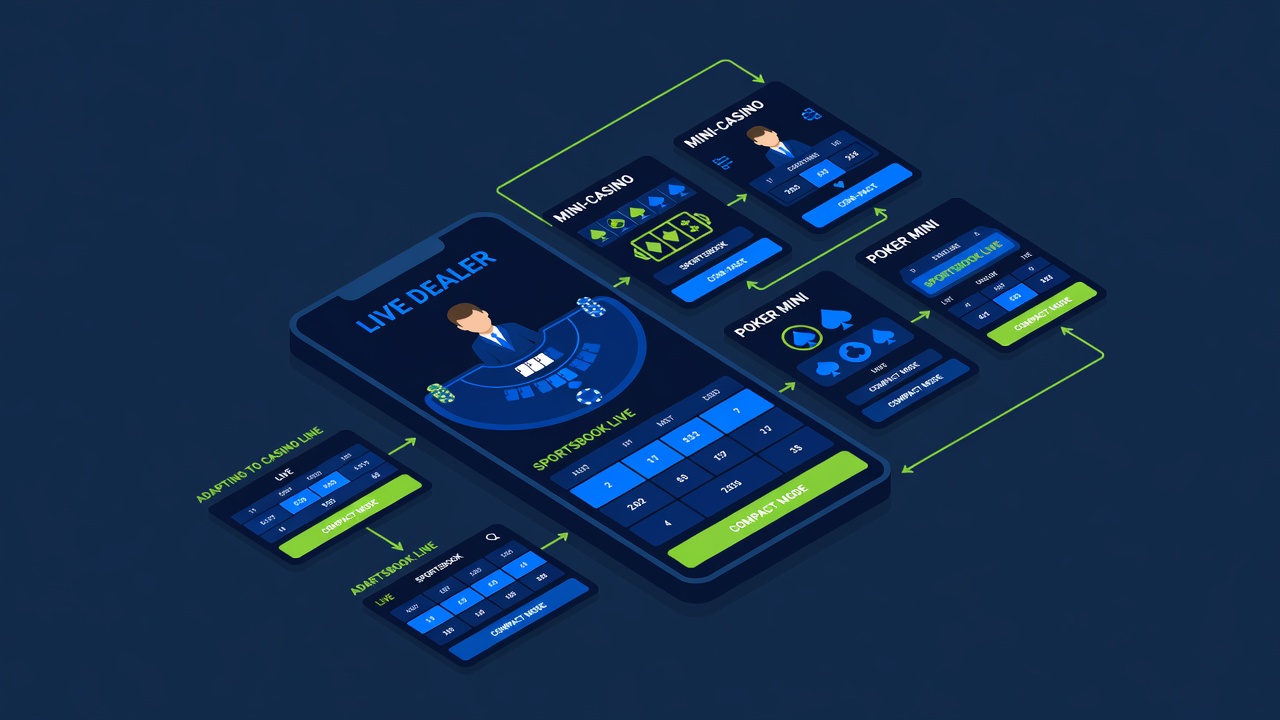
Even with perfect video streaming, the interface is wrong on a four-inch screen. A live baccarat table has six betting areas (Player, Banker, Tie, Player Pair, Banker Pair, Perfect Pair). On desktop, all six are visible in one view. On mobile, you either get a tiny representation of all six, or a zoomed version of two. Most players tap the wrong button. Misclicks are high. Frustration follows.
Bet365 solved this by letting players set a default bet size and location. Tap once to repeat. This dropped mobile errors from 8 percent to 2.4 percent. But it required knowing that the problem existed, which most studios didn't realize until player support tickets started piling up.
The Social Dimension
Live dealer games are social. Multiple players sit at one table. They see each other's chats. The dealer talks to them. On desktop, this works. The player reads the chat feed. They see the dealer's face. They participate in the game as a shared experience.
On mobile, the chat is a small notification banner that pops up and disappears. The dealer's face is thumbnail-sized. The shared experience becomes a solo experience with occasional text interruptions. DraftKings noticed that mobile players stayed in games 22 percent shorter than desktop players. They were isolating.
The question became: Is that a problem or a feature? If mobile players are more transient, they might spend more money in shorter sessions (worse odds for them). Or they might rage-quit sooner (worse for DraftKings). DraftKings chose to improve the interface, added a persistent chat panel on mobile, and retention improved 5.4 percent. Micro-improvements everywhere.
The Latency Invisible Problem
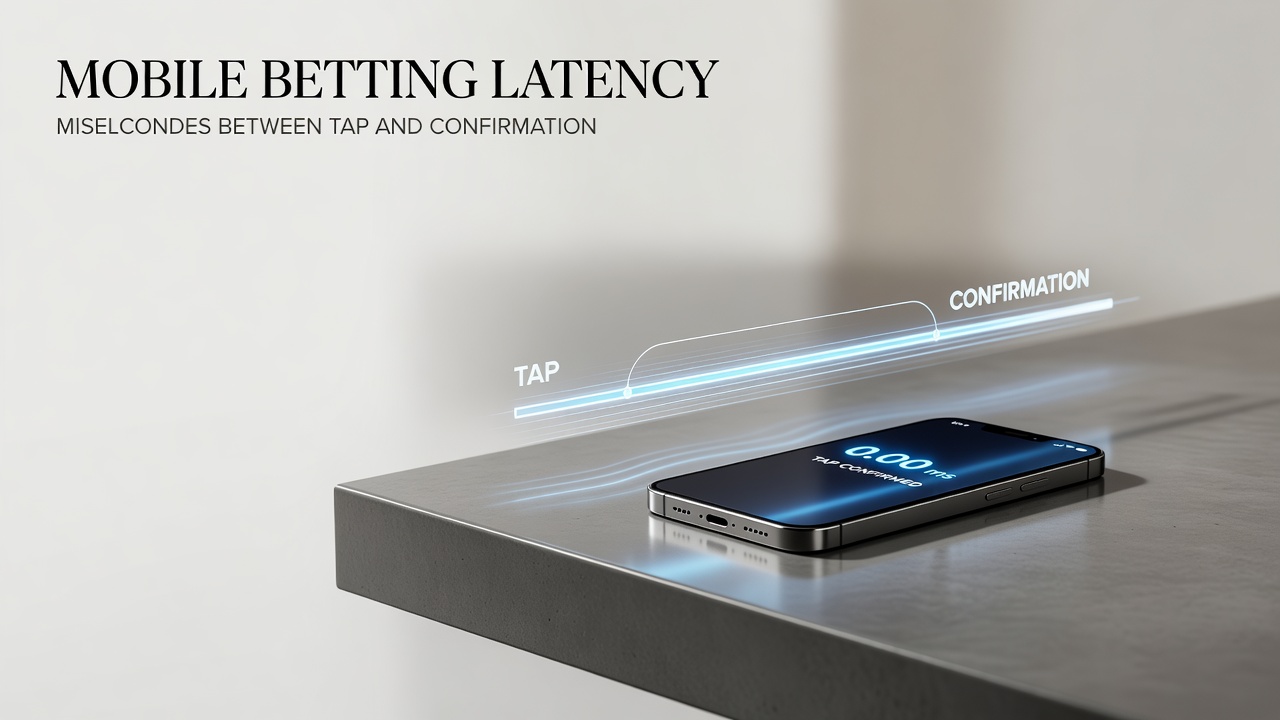
Network latency on mobile is higher than on fiber desktop. Typical mobile latency: 80-150 milliseconds. Desktop via fiber: 15-30 milliseconds. In blackjack, this doesn't matter. In live poker, this is everything. By the time you've calculated your move and sent it, 150 milliseconds have passed. The dealer is already announcing action from the next player. You've missed your window.
The workaround is forcing turn order on the server side. The dealer doesn't proceed until all players have had a chance to act. This slows the game. Game speed dropped 8 percent for DraftKings live poker when they added mobile support. Fewer hands per hour. Rake spread across more time. Revenue impact was slightly negative.
They accepted it. Mobile access matters more than hand speed at this stage of the market.
Screen Orientation
Landscape or portrait. Desktop is never a question. Mobile is always a question. A player at a bar holds their phone vertical. A player on their couch holds it horizontal. The interface has to work in both. Some studios (Stake) force landscape, which means mobile users have to rotate their phone. This is friction. Players don't do it. They leave.
Bet365 built full responsive design. Portrait and landscape both work. The game interface reflows. It's development cost that most studios skipped. But it shows in user behavior. Bet365's mobile retention is 15-20 percent higher than competitors.
What This Tells You
Live dealer on mobile is possible. It works. But it requires solving five independent problems (video compression, interface design, social integration, latency handling, screen orientation) at the same time. Studios that solved all five (Pragmatic Play, Bet365) have better mobile performance. Studios that solved three (DraftKings, most others) have decent performance with compromises. Studios that tried to force desktop experience on mobile (some regional operators) have terrible adoption.
The game is not about the game anymore. It's about the platform. The player wants live dealer on their phone without friction. Everything else is downstream.