How Live Dealer Chat Moderation Works
A live dealer sits at a table in a studio and reads chat comments from a hundred players at once. Moderation keeps that interaction usable.
A live dealer sits at a table in a studio and reads chat comments from a hundred players at once.
Some comments are friendly. Some are hostile. Some are abusive. Some are attempts to manipulate the dealer into mistakes. Moderation keeps that interaction usable and keeps the dealer from walking off the job.
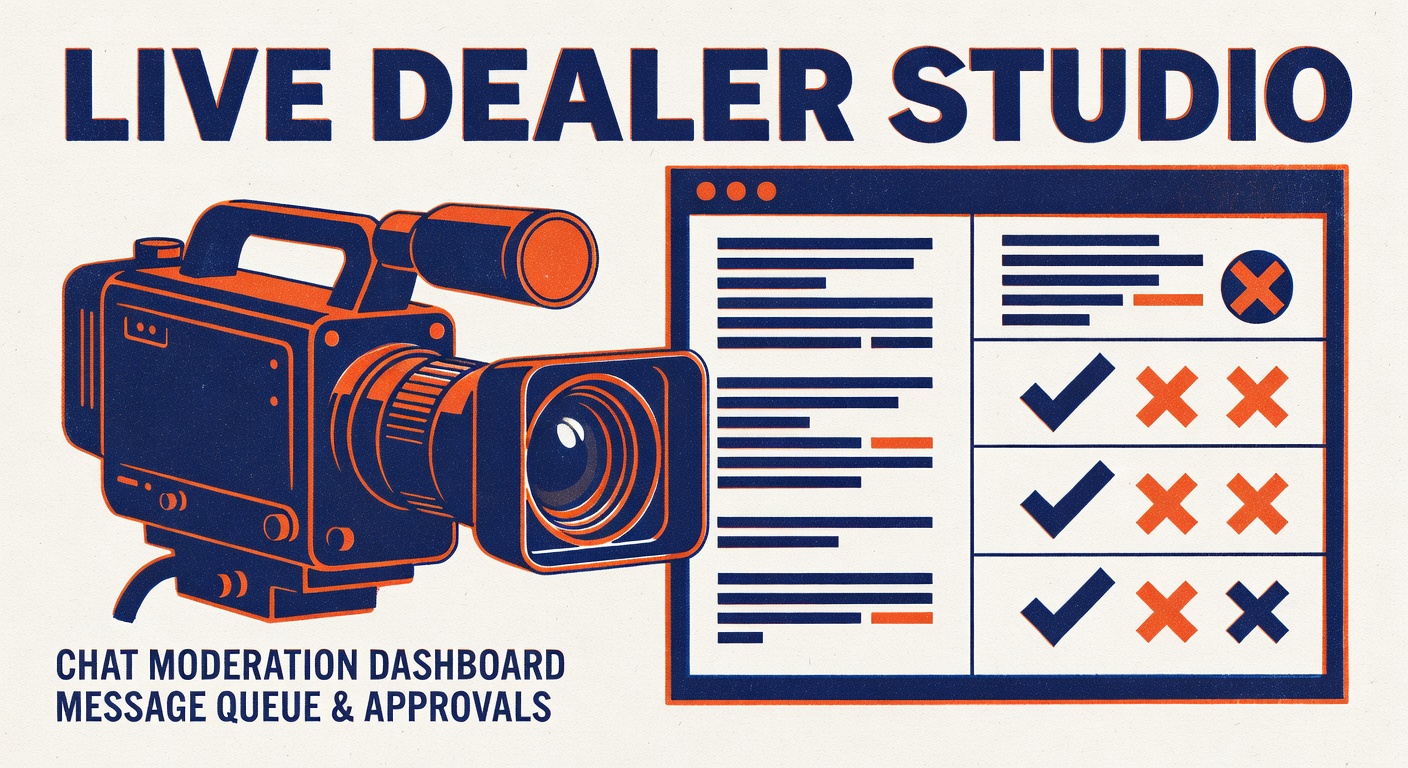
First, the structure. The dealer is not reading raw chat. A moderator is filtering it. The moderator sits behind the scenes. The moderator reads every comment before or immediately after it is sent. The moderator decides what reaches the dealer.
Second, the rules. Most live casino platforms have a code of conduct. No racism. No sexism. No harassment of the dealer. No promotion of outside services. No abusive language. These are baseline.
The Filtering Tier
The first tier of moderation is automated. Software flags comments containing banned keywords. Moderators review flagged comments and decide whether they violate policy. If they do, the comment gets ghosted.
Ghosting is the standard approach. The comment disappears from the chat stream. The player who posted it sees it on their end, but other players and the dealer do not. The player does not know if the comment was seen. This is intentional. It discourages repeat violations.
The automated system is crude. It catches most profanity. It catches some slurs. It misses context. A moderator catches what the software misses.
Second tier is the human moderator. They watch the live stream. They read every comment that passed the automated filter. They watch for harassment that is not obvious on the surface.
For example: "Your deal is terrible." This is rude but not actionable. "Your deal is worse than a game against toddlers." This is personal but still within bounds. "I would love to watch you lose at your own game." This crosses toward threat. Context matters.
The Dealer's Role
The dealer rarely blocks comments themselves. Their job is dealing, not moderating. But they signal displeasure. A dealer can report a comment directly to the support team. If a player is being abusive, the dealer says so. The moderator reviews it and often applies stronger enforcement.
Some platforms allow dealers to mute specific players. The player can chat, but the dealer does not see it. This is rarer. Most platforms prefer the ghosting approach because it is invisible.
The dealer does not see the moderation happening. They see a clean chat. They deal cards. The moderation is invisible to them, which is the point.
The Nuances
These things are harder than they sound:
First, regional differences. A phrase that is mildly rude in New York is insulting in London is culturally taboo in Singapore. Moderators need to understand context. An automated system cannot.
Second, the line between criticism and abuse. A player can say "That shuffle looked sloppy." A player cannot say "That shuffle proves you are incompetent." The line is thin and depends on tone and history. One moderator's rude is another moderator's actionable harassment.
Third, gaming culture language. In poker, there is a tradition of banter and ribbing. A player at a live table might say things that would get them blocked in the chat. Moderators need to understand whether commentary is competitive banter or genuine harassment.
Fourth, enforcement consistency. If moderators are inconsistent, players lose trust. Some players get blocked for mild language while others curse regularly. This breeds resentment. Good platforms have specific policies and moderators who follow them.
The Scale Problem
A busy live table might have a hundred comments per minute. A moderator cannot read all of them closely. The automated system catches most obvious violations. The moderator spot-checks. The volume is too high for human review of everything.
Some platforms use a tiered system. Every comment gets automated screening. Flagged comments get human review. Comments that pass both go to the dealer. This creates a delay. Comments might reach the dealer thirty seconds after being posted.
Some platforms show comments in real-time to the dealer but show them to other players on a delay. This prevents players from seeing toxic comments before they get moderated.
The Evolution
Early live dealer chat was completely unmoderated. Players could say anything. This led to tables where the chat was nearly unusable. Dealers quit. Players were harassed. Operators realized they needed moderation.
Moderation improved retention. Players felt safer. Dealers felt safer. The experience improved. Now, serious operators have dedicated moderation teams.
The Constraint
The moderation system is invisible to players who follow the rules. It is visible to players who test it. Testing the system is a game some players play. They find the line, push it, see if they get ghosted.
The best moderation is consistent enough that players know the rules without thinking about it, but not so heavy-handed that it feels oppressive. That balance is hard. Different platforms strike it differently.
What matters is that moderation exists. Without it, the live chat environment becomes hostile. With it, the dealer and players can interact respectfully. That interaction is what makes live dealing a game, not just a machine.