The Monte Carlo Fallacy: A Famous Roulette Lesson in Probability
The Monte Carlo Fallacy is the belief that past outcomes affect the probability of future outcomes in games of pure chance. The classic example is a r
The Monte Carlo Fallacy is the belief that past outcomes affect the probability of future outcomes in games of pure chance. The classic example is a roulette wheel that's landed on black ten times in a row. A gambler observes this and thinks red is now "due." They bet everything on red.
This is a fallacy because each roulette spin is independent.
Key Points
The probability of red on the eleventh spin is exactly the same as the probability of red on the first spin: 18 out of 37, or about 48.6
5 percent. The fact that the previous ten spins landed on black has zero effect on the probability of the eleventh spin
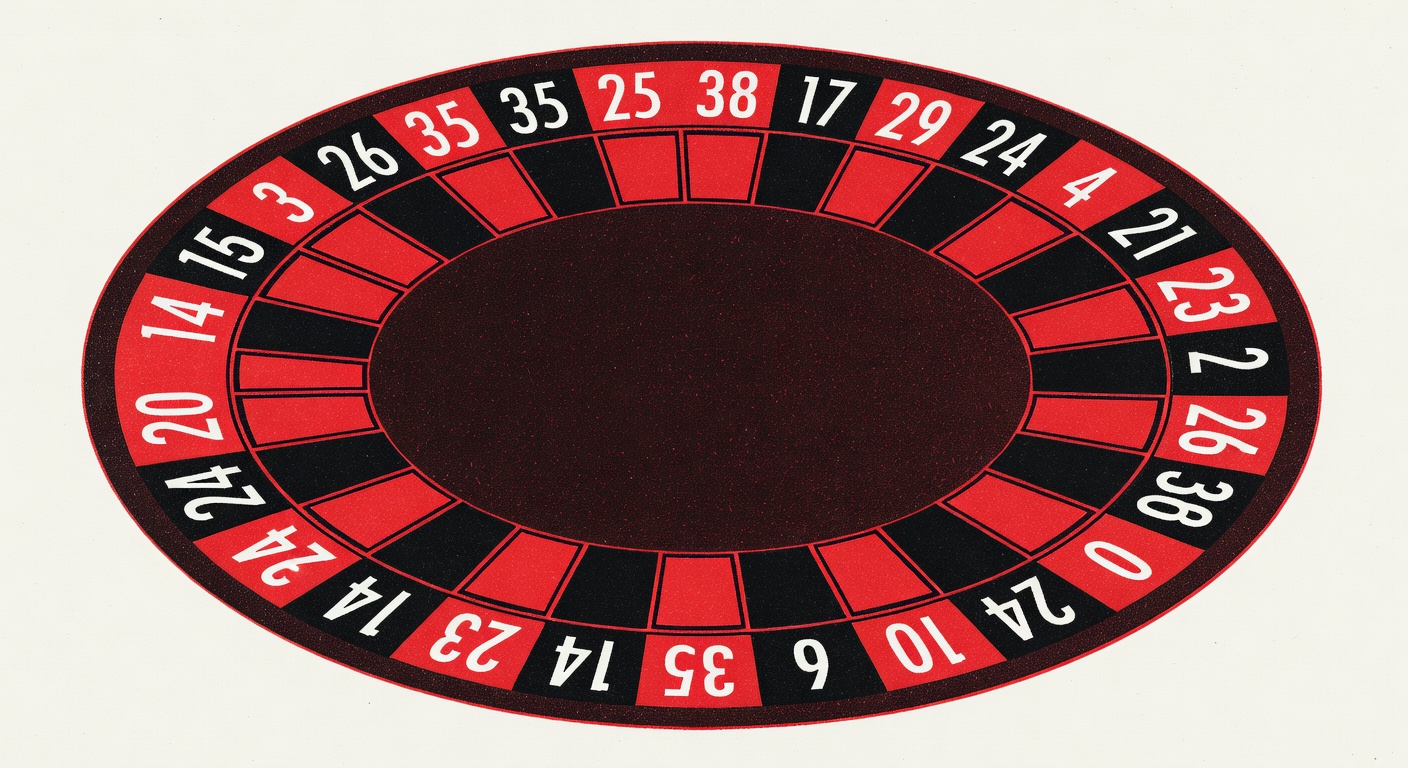
The Monte Carlo Casino is where this mistake got its name. In 1913, the roulette wheel at the casino landed on black 26 times in a row. This is extraordinarily unlikely: the probability of this happening is approximately 1 in 136 million. But it happened. The casino made millions because people bet against it, convinced that red was due. Red never came on the 27th spin. It was black again. And the gamblers lost everything.
The reason this is called a fallacy is not because it happened at Monte Carlo. It's because it's a misunderstanding of probability. People see patterns and assume they predict future outcomes. But in true random processes, patterns are meaningless. The sequence of outcomes does not inform the next outcome.
The Monte Carlo Fallacy applies to all games of independent chance: roulette, dice, slots, coin flips. It does not apply to games where past outcomes provide information about future outcomes, like card counting in blackjack. In blackjack, the composition of the remaining deck changes with each card drawn. In roulette, the composition of the possible outcomes never changes.
The prevention is understanding that randomness doesn't have memory. Each event is independent. Seeing ten blacks in a row is surprising, but it doesn't make red more likely. If anything, a rational gambler should increase their bet on black, because the fact that black came up ten times in a row suggests it's a more likely outcome than the theoretical 50 percent. But the reason is empirical evidence, not the fallacy. The underlying principle is that exploitation works when your opponents are not playing optimally. Most of your competition is not optimal. They are human. They are tired. They are emotional. They are making mistakes. The strategy that works against mistakes is the strategy you should play. Not the strategy that works against perfect play. Not the strategy that works in theory. The strategy that works against the actual people you're facing. The pattern across all of these is that casinos are more sophisticated than players assume. Players think of casinos as simple places where you gamble and either win or lose. Casinos think of themselves as experience designers, probability manipulators, and behavioral economists. Understanding the casino's perspective helps you understand why rules and restrictions exist. The fallacy has been named after the Monte Carlo incident for over a century now. Casinos regularly see players betting against recent outcomes, convinced that they're 'due' to come up. The casinos love this. They profit from the fallacy. Knowing about the fallacy doesn't protect you from it, because the fallacy is psychological, not rational.