Public Wi-Fi and Online Gambling: Why It's a Bad Combo
Unsecured Wi-Fi is a free-for-all for data thieves. Gambling sites are prime targets. Here's why and what to avoid.
The Vulnerability
Public Wi-Fi at coffee shops, airports, and hotels uses unencrypted or weakly encrypted protocols. Anyone on the same network can intercept traffic. A device on the network can sniff packets and extract data.
When you access an online casino, you transmit sensitive information: login credentials, payment method, amounts wagered. All of that traffic is visible to anyone with a packet sniffer on the network.
This is not theoretical. According to a 2023 survey by the Ponemon Institute, 41 percent of public Wi-Fi hotspots globally use "very weak" or no encryption. The percentage is higher in developing markets. A coffee shop in Bangkok or Lisbon offering free Wi-Fi is likely offering unencrypted Wi-Fi.
The attacker doesn't need to be sophisticated. Kali Linux, a free tool, can sniff traffic on open networks. A high schooler with basic networking knowledge can do this. Someone with intent can do this in fifteen minutes.
Once an attacker captures your login credentials, they can access your account. If your password is reused across multiple sites, they can access other accounts. If your payment method is stored, they can drain it.
Specific Risks at Casinos
Online casinos hold player funds. A casino account with 10,000 dollars in it is a target. Attackers prioritize gambling sites because the accounts are funded and the money can be withdrawn quickly.
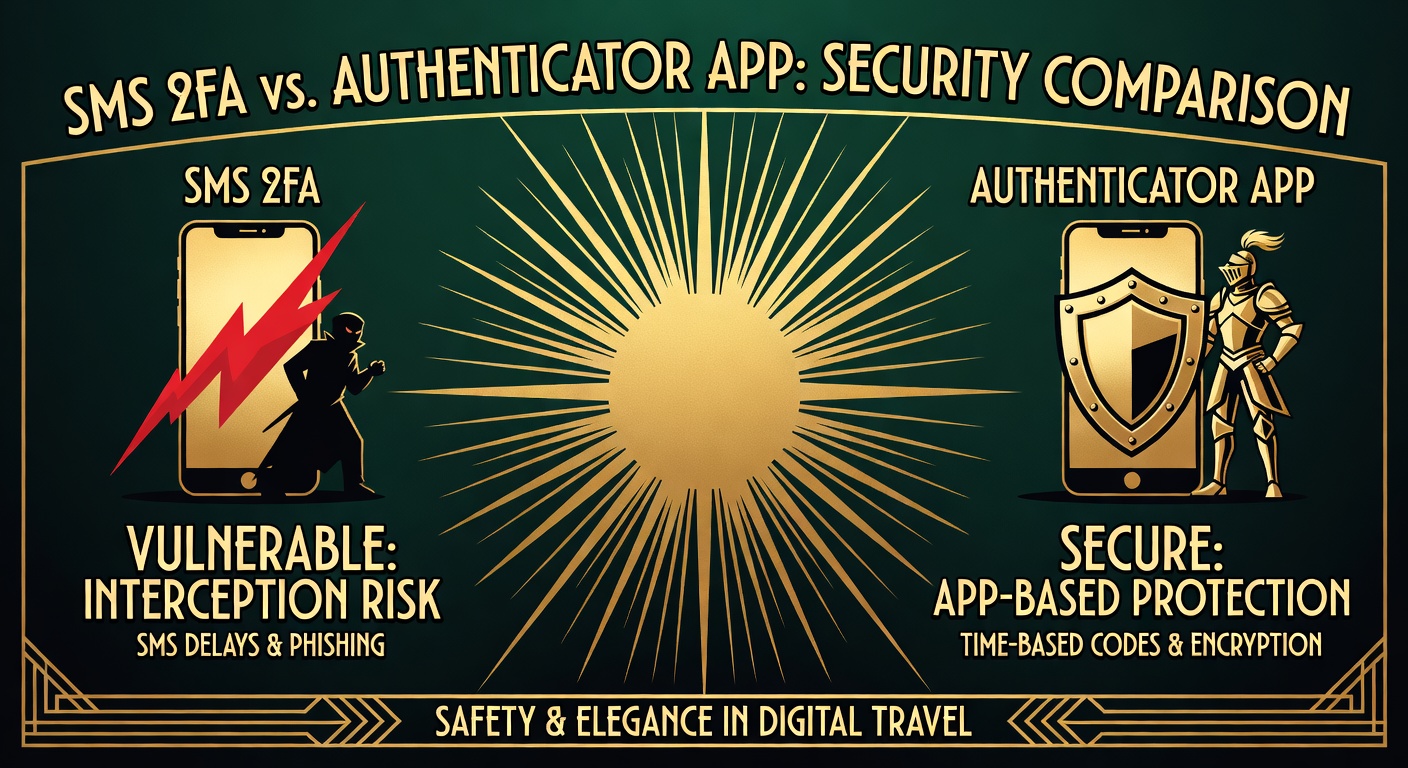
Some casinos implement two-factor authentication (2FA). If an attacker captures your password, they still can't access your account without your phone. But not all casinos require 2FA. Many make it optional.
If you're playing at a casino without 2FA, you're at risk. Someone on your coffee shop Wi-Fi captures your credentials. They log in to your account from their location. They verify your email. They change your password. They request a withdrawal. You don't know anything until the money is gone.
Payment method information is another risk. If you've stored a credit card at the casino, an attacker can change your password, access your account, and attempt new withdrawals using the stored card. Fraud prevention systems might catch this, but not always. Chargebacks are your recourse, but chargebacks take weeks.
HTTPS Is Not Enough
You might think HTTPS (encrypted connection) protects you on public Wi-Fi. It does, partially. HTTPS encrypts the content of your communication. But it doesn't hide that you're connecting to a casino. Network analysis can see your IP address, the destination server, and the timing of your requests. An attacker can infer your behavior without seeing the content.
Moreover, some casinos still use HTTP for certain pages (account pages, promotions, etc.). If even one page is unencrypted, an attacker can inject code into that page and capture data.
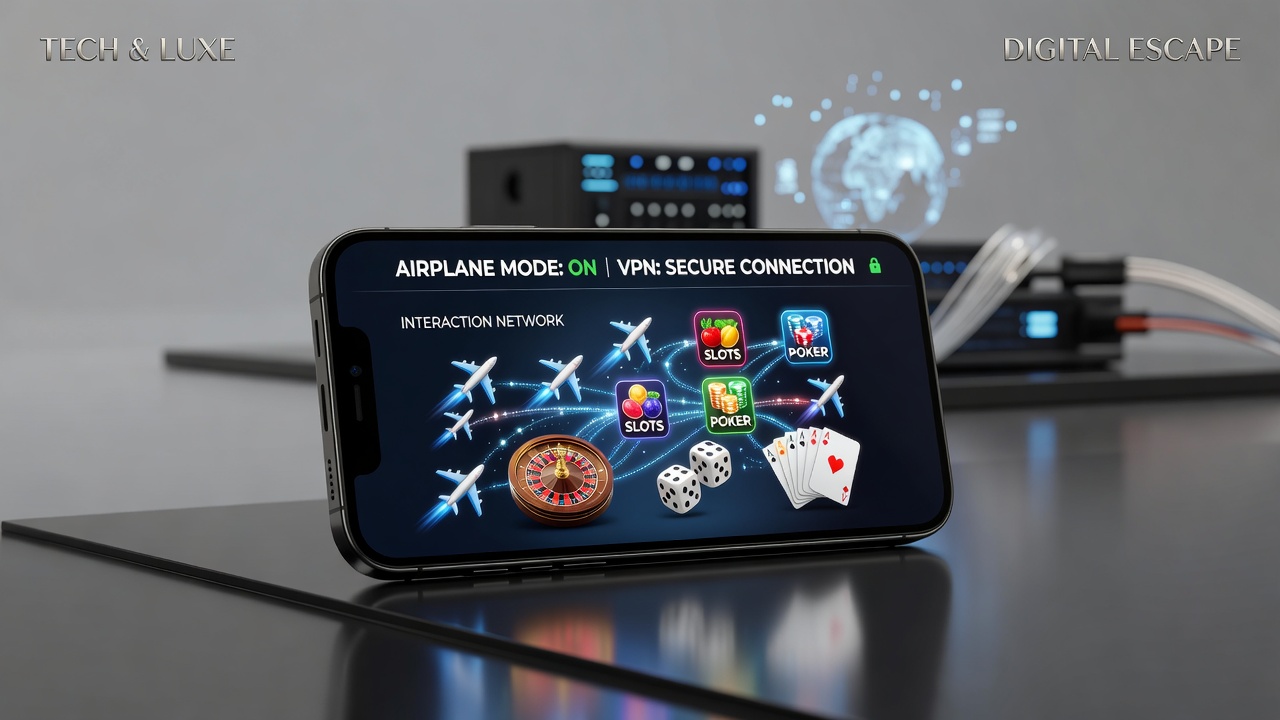
VPN (Virtual Private Network) provides additional encryption. A VPN encrypts all traffic between your device and the VPN server. An attacker on the public network can't see what you're doing. But VPNs have their own risks: slow performance, data retention policies, and jurisdictional issues.
If you use a VPN on public Wi-Fi to access a casino, you're improving your security. But you're trusting the VPN provider with all your traffic. Choose your provider carefully. Some VPN companies log user activity. Some are owned by companies with political interests. Free VPNs are particularly risky.
Practical Harm Mitigation
The simplest option: don't gamble on public Wi-Fi. Use your home network. If you must gamble away from home, use mobile data (cellular), not Wi-Fi. Mobile data is encrypted by your carrier. It's not public.
If you use public Wi-Fi, disable auto-connect on your device. Some devices automatically connect to known networks, including open networks. Manually select your network to avoid unintended connections.
Don't reuse passwords. If an attacker captures a password used at a casino, make sure it's not the same password you use elsewhere. A strong, unique password per site is the standard practice. Password managers (1Password, LastPass, Bitwarden) make this manageable.
Enable two-factor authentication everywhere it's available. If your casino offers 2FA, use it. If it doesn't, consider finding a different casino. 2FA prevents account takeover even if your password is compromised.
The Stakes Are Different
Banking on public Wi-Fi is riskier than email. Email compromise is inconvenient. Casino account compromise is financial. A stolen email account might mean spam. A stolen casino account means stolen money.
The risk is real and documented. Law enforcement agencies worldwide have arrested people for intercepting casino credentials and stealing funds. The attackers usually operate in jurisdictions where enforcement is weak. The victims usually don't recover their money.
That's the worst-case outcome. The best case is you never encounter an attacker. But why take the chance? Use your phone data. Use your home Wi-Fi. Use a VPN if you must use public Wi-Fi. The stakes are your actual money. Treat them accordingly.