How Poker Became a Global Spectator Sport
Poker transformed from a backroom game into a worldwide spectacle. The shift happened because of careful design, broadcasting innovations, and psychological hooks that kept viewers watching.
Poker is a game with a feedback loop built into its skeleton.
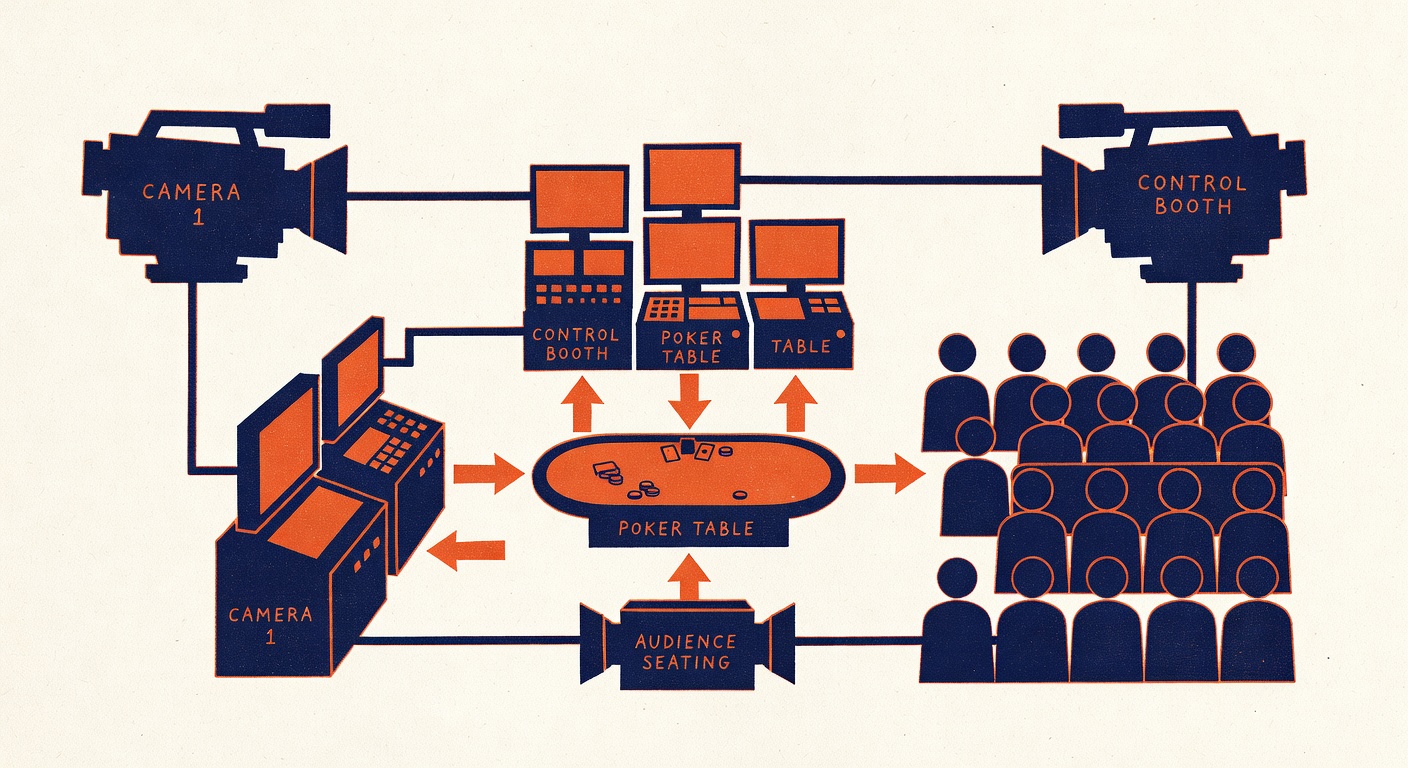
Watch a tournament from 1995 and you're watching silence and concentration. Watch one from 2005 and you see cameras at the table, hole card graphics, fast-cut editing, dramatic music stings. The game hasn't changed. The onboarding for spectators has.
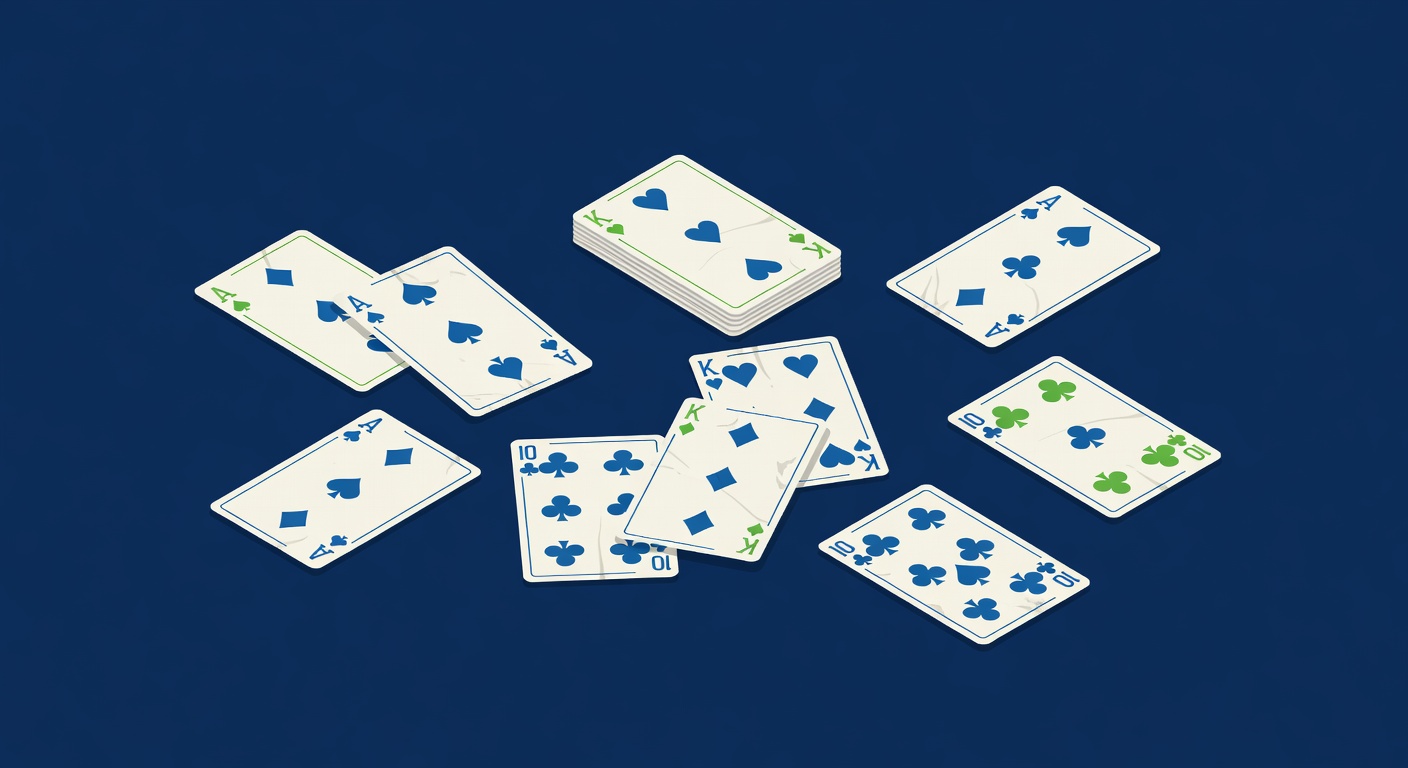
That's the design shift that matters. Before poker became a spectator sport, it was a closed system. You sat at the table or you didn't know what the cards were. The information asymmetry protected the players but it killed viewership. The breakthrough was simple: show the hole cards to the camera. Let the audience know what was really happening.
This single mechanic - transparency - created a brand new incentive structure. Suddenly you could follow a hand as drama. You saw a player's decision before its consequence. The tension had a release valve.
The Retention Hooks
Once you solve onboarding (hole card graphics), the retention problem becomes everything. Why would someone watch six hours of poker instead of six hours of football or drama? Football has constant action. Poker has long stretches of folded hands and tight play.
The answer is that poker has a built-in tournament bracket. It has eliminations. There's always a final table approaching. And a final table is a pressure cooker. The antes go up. The stacks get shorter. The game accelerates.
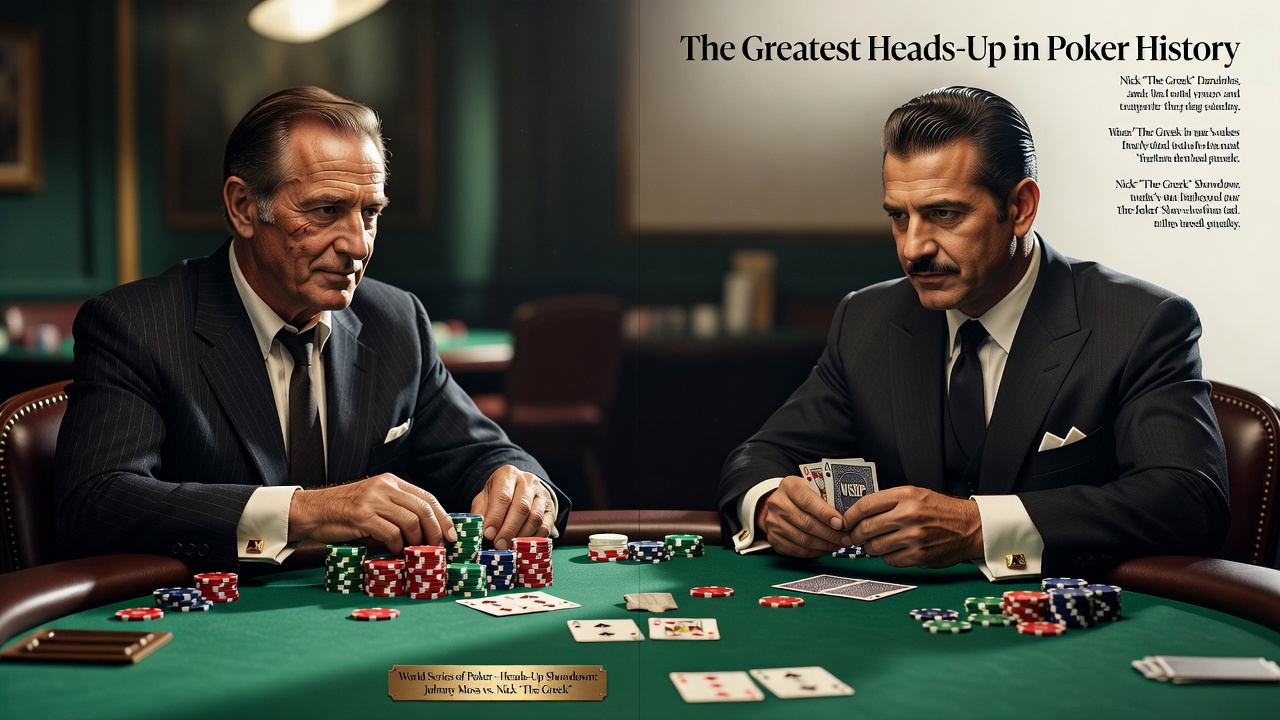
Phil Hellmuth won his first WSOP bracelet in 1989. Nobody watched. He won his seventeenth and thousands of people followed the coverage live. The difference wasn't Hellmuth. It was that the broadcasting had learned to structure the narrative. The camera follows the chip leader. The commentary explains pot odds. The replays show the fold from the best angle.
ESPN understood this. They had done it for poker already.
From Juice to Skill Expression
Poker had another advantage that other games didn't: it was actually beatable. There was a real skill gap. A tournament wasn't random. Over enough hands, the better player won more often.
This matters for viewer investment. You can watch slots or roulette if you like watching probability. But you watch poker to see smart people make hard decisions under pressure. That's a different reward schedule.
The World Series of Poker started in 1970. For thirty years it was a niche thing. The 2003 World Series Main Event had 839 players. That's not nothing, but it's not a spectator sport yet. Chris Moneymaker won that tournament. He was an accountant from Tennessee who won a $39 satellite seat online and turned it into $2.5 million.
The thing about Moneymaker's win wasn't that he was an amateur. It was that he was a symbol. Regular people could beat pros. The skill expression was democratic.
Suddenly you had retention hooks pointing in every direction. You had narrative. You had proof that the better player usually won. You had an accessibility story. And you had multiple ways to identify with the action, whether you were a pro watching a peer or an amateur seeing someone like you.
The Feedback Loop
What made it a spectator sport was the feedback loop. More viewers meant more sponsorship. More sponsorship meant bigger buy-ins. Bigger buy-ins meant better players, tighter play, and more dramatic outcomes. Better drama meant more viewership.
By 2010 the WSOP had over 7,000 entrants. By then poker was in cable primetime. Players were recognizable. They had sponsorship deals. They were celebrities.
The core game hadn't changed since the 1800s. The shuffling, the dealing, the hand rankings, all the same. What changed was the interface between the game and the viewer. Strip away the hole card graphics, the commentary, the tournament structure, and you're back to the backroom game. Add them back and you have a sport.
That's what game design is. It's not building new mechanics. It's building the right feedback loops around the mechanics you have. Poker was always dramatic. It just took 150 years and a television camera to make it visible.